Wrong Cut: The Cinephiles Chasing Movies That Studios Swear Don't Exist
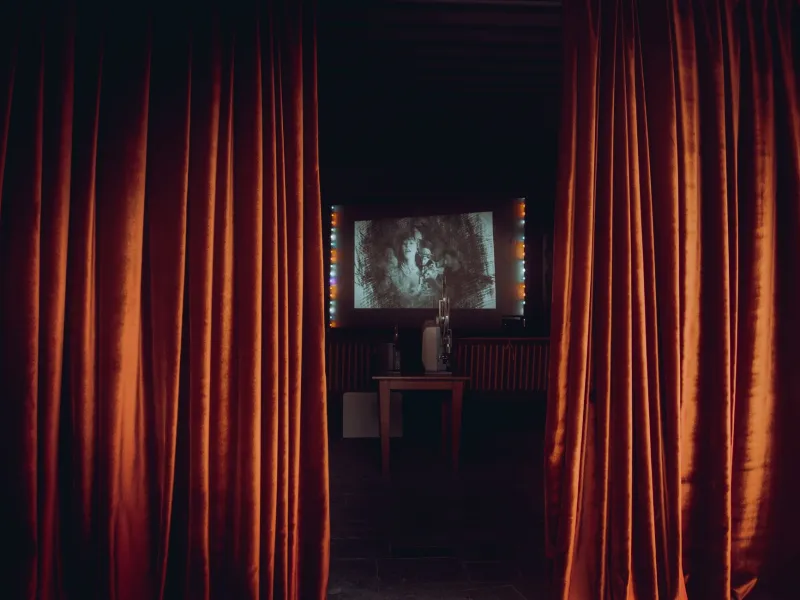
Somewhere between the projector beam and your retina, something goes missing. Or gets added. Or shifts by a few degrees in a direction nobody officially authorized. At least, that's the working theory held by a loose constellation of film enthusiasts who've spent years cataloging what they call phantom cuts — versions of movies that exist, or once existed, in a form that no studio, distributor, or archivist will acknowledge.
It sounds like a fever dream. It might be. But the people chasing these phantom cuts aren't fringe conspiracy types muttering into the static. A lot of them are serious cinephiles with frame-accurate recall, side-by-side screenshot comparisons, and the kind of obsessive viewing logs that would make a film professor uncomfortable.
The Complaint That Keeps Surfacing
The grievances follow a recognizable pattern. Someone rewatches a beloved film on a streaming platform — let's say a mid-90s thriller or an early 2000s indie — and something feels off. The framing looks tighter. A wide shot seems cropped. A scene that used to breathe with negative space now feels compressed, claustrophobic. They screenshot it. They pull up an old DVD rip. They compare.
The differences, when they can be documented at all, are maddeningly small. We're talking about aspect ratios drifting from 2.35:1 to something closer to 2.39:1. Color timing that skews slightly warmer or cooler than what they remember. Occasionally, a shot that seems to linger a half-second longer or shorter than it used to. Nothing that would trigger a studio press release. Everything that would drive a certain kind of viewer absolutely sideways.
"The thing people don't understand," says one member of a private cinephile forum who asked to be identified only as Letterbox or Death, "is that these aren't big changes. Nobody's adding scenes. It's more like someone went in with a very fine brush and just... adjusted things. And then denied it."
The Infrastructure That Makes This Possible
Here's the uncomfortable truth that lends these claims at least a sliver of plausibility: studios genuinely do alter films after initial release, and they don't always announce it. Color grades get tweaked for HDR deliverables. Aspect ratios shift depending on platform specifications. Music licensing issues quietly kill entire soundtrack cues between one release window and the next. The industry term for this is version control, and it is, to put it generously, chaotic.
Streaming platforms receive digital masters from distributors who receive them from studios who sometimes pull from multiple sources depending on what's available, what's licensed, and what some executive decided looked better on a 4K monitor in a Burbank conference room at 2pm on a Tuesday. The chain of custody for a film's visual identity in the streaming era is long, murky, and almost entirely invisible to the person watching on their couch.
So when a viewer insists the version they watched last month looked different from the version they're watching tonight, they might not be wrong. They might just be unable to prove it, because nobody logged the change and the previous version no longer exists anywhere accessible.
Where Memory Ends and Documentation Begins
The harder question is where legitimate observation shades into something more psychological. Researchers who study memory and perception have a name for the phenomenon where groups of people share detailed false memories of pop culture artifacts: the Mandela Effect, after the famous case of large numbers of people misremembering Nelson Mandela's death. Film is a particularly fertile ground for this kind of collective misremembering. We watch movies at different ages, in different emotional states, on different screens. Our brains fill gaps, smooth inconsistencies, and file the composite experience as fact.
The phantom cut communities are aware of this. The more rigorous members actively try to account for it, comparing physical media against streaming versions, checking database entries on sites like DVDCompare, hunting down press screenings and festival prints. They're not all just running on vibes. Some of them are doing genuine archival work, even if the conclusions they draw occasionally outrun the evidence.
"I've caught real changes," says another forum regular who goes by Grain Structure. "Documented, confirmed, actual differences between the Blu-ray and the streaming version of at least four films I can name. So when I say something looks different, I'm not just being nostalgic. I have a track record."
The problem is that having a track record with real, provable changes makes it harder to accept that some perceived changes might be the mind playing tricks. Pattern recognition doesn't come with an off switch.
The Ratio as Religion
There's something almost devotional about the way these communities talk about aspect ratios specifically. The black bars at the top and bottom of a letterboxed image aren't just a technical artifact to these viewers — they're a kind of sacred geometry, a covenant between filmmaker and audience that says this is the exact frame the director intended. When those bars shrink by a few pixels, when the frame opens up or closes in by a margin too small for casual viewers to notice, it registers as a violation.
This is, in its own weird way, a form of cultural preservation instinct operating at the pixel level. These people care, maybe too much, about fidelity to an original that may never have been as fixed and stable as they believed. Cinema has always been a medium of multiple versions — director's cuts, international edits, censored prints, pan-and-scan nightmares. The idea of a single authoritative version of any film is largely a myth that home video made briefly seem real before streaming dissolved it again.
Signal or Noise?
So are these communities onto something real, or are they generating their own static? Probably both, and in proportions that vary case by case. The infrastructure for quiet, undocumented changes to streaming films absolutely exists. The human tendency to perceive changes that didn't happen also absolutely exists. These two facts don't cancel each other out — they just make the truth harder to locate.
What's interesting about these communities isn't whether they're right. It's that they've developed an entire methodology for watching, a practice of close attention so intense it starts to resemble something other than entertainment. They're not watching movies anymore, exactly. They're reading them, frame by frame, looking for evidence of a hand that moved through the image and left no fingerprints.
Whether that hand belongs to a studio technician or to the viewers' own pattern-hungry minds is, for now, an open question. The phantom cuts remain phantom. The search continues. And somewhere on a streaming server nobody will identify, a film sits in a version that may or may not be exactly what it was the last time you watched it.
You probably wouldn't notice. They would.